

Wheelchair Accessible
Historical Sites


On the North East coast you will find the spectacular Black Rocks (sometimes called “black sea”). These are rocks formed from lava flowing into the Atlantic from an eruption of the Mt Liamuiga volcano. There is a report of an eruption in 1692 but it is believed that these rocks are millenniums older than that.
Black Rocks


.jpg)

Anglican Church

The church itself holds considerable historical importance as it reflects the architectural styles and religious practices that have been part of the Caribbean’s colonial past. Anglicanism was introduced to the Caribbean during British colonization, and churches like St. John’s serve as reminders of this period. The construction of such churches often involved local materials and labor, showcasing both European influence and local craftsmanship.

Berkeley Memorial
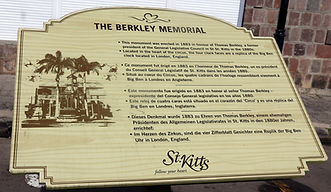
This monument was erected in 1883 in honour of Thomas Berkley, a former president of the General Legislative Council in St. Kitts in the 1880s.
• Located in the heart of the circus, the four clock faces are a replica of the Big Ben clock located in London, England.


Bloody Point


Tensions escalated between the colonists and the Kalinago as more settlers arrived on St. Kitts. In August 1626, Thomas Warner returned to St. Kitts with over 100 additional English settlers and enslaved Africans, which increased fears among the Kalinago about their survival and autonomy. The Kalinago leader Tegreman perceived this influx as a direct threat to his people.
In response to these threats, Tegreman sought assistance from neighboring islands to defend against the encroaching settlers. However, before he could organize an effective resistance, Warner launched a surprise attack on Tegreman’s settlement at Bloody Point. This assault resulted in a devastating massacre where approximately 2,000 Kalinago were killed.
The brutality of this event was so severe that it is said that blood flowed for three days following the massacre—hence the name “Bloody Point.” The aftermath saw many survivors fleeing by sea to other islands or hiding away from European settlements.

Romney Manor
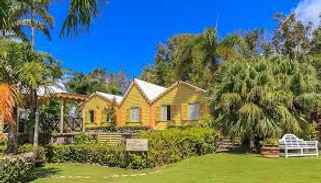
Romney Manor is situated on the grounds of the Wingfield Estate, which has a rich history dating back to the 1600s. Before European colonization began in 1623, the site was occupied by a village led by Chief Tegereman of the Carib Indian tribe. Evidence of this early occupation includes petroglyphs found on the estate. The property was first purchased in 1625 by Sam Jeffreson II, who is an ancestor of Thomas Jefferson, the third president of the United States. Over its long history, Romney Manor has had only five family owners.Originally known as the “red house,” reflecting Jeffreson’s Quaker roots, it was renamed Romney Manor after being acquired by the Earl of Romney in the mid-17th century. During this period, sugar cane cultivation became central to the estate’s operations. Notably, in 1834, Lord Romney took a progressive step by declaring his enslaved Africans free men against British Parliament’s instructions, making it one of the first estates in St. Kitts to do so.


Timothy Hill

Timothy Hill is A high over look of the frigate bay area which over looks many resorts and beautiful homes. It is a Perfect picture spot.

.jpg)

.jpg)
Independence Square
• Independence Square, formerly Pall Mall Square, was renamed on the 19th September 1983 to commemorate the independence of St. Christopher and Nevis.
• The stone fountain in the center was erected to commemorate the introduction of pipe-borne water from Olivees into. Basseterre in the 19th century.


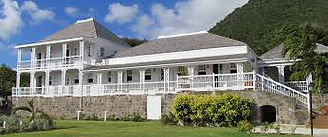
Built in 1701, Fairview Great House & Botanical Garden is a prime example of Colonial architecture built almost completely from wood.
Originally built by the French military to house officers its most famous owner was Master James Stephen (1758-1832) who from 1783 to 1794 was Solicitor-general of St Kitts. Master James was an abolitionist and the great grandfather of Virginia Woolf.
During the 1960’s the house became a hotel the “Fairview Inn” until it fell into disrepair in the late 1990’s
In 2008 Kishu Chandiramani (1942-2014), a prominent local businessman, bought Fairview House with plans to restore it to its former glory.
.jpg)


